 Denim Fabric
Powerloom Denim Fabric | Woven Denim Fabric
Consistent powerloom denim fabric for jeans, jackets, uniforms, bags and everyday garment production. OEKO-...
Rs. 550.00 / metre

Durable, comfortable and responsibly made denim fabrics for apparel, fashion labels and garment production
JCraftEco’s denim fabric collection is made for brands that need denim with strength, comfort and a good finish. From 100% cotton denim to indigo denim, stretch denim and custom denim blends, this category supports garment makers, fashion labels, exporters and designers looking for dependable denim fabrics for jeans, jackets, skirts, dresses, co-ord sets, bags and lifestyle products.
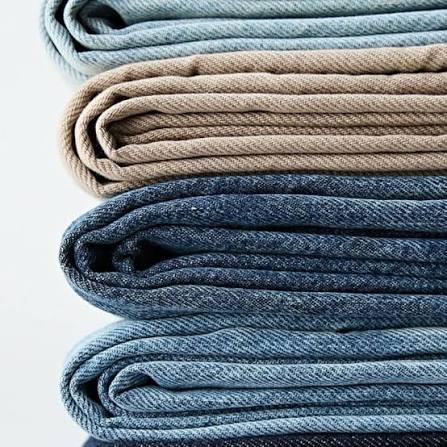 Denim Fabric
Consistent powerloom denim fabric for jeans, jackets, uniforms, bags and everyday garment production. OEKO-...
 Denim Fabric
Handwoven 300 GSM cotton denim fabric for jackets, skirts, overshirts, bags and conscious denimwear. OEKO-T...
Denim is a strong woven fabric, usually made with cotton, and known for its diagonal twill structure. That twill construction is what gives denim its strength, texture and recognisable surface. It is the reason denim can handle daily wear better than many lighter fabrics.
While denim is most commonly used for jeans, it is not limited to one product. Depending on the weight, weave, finish and composition, denim can be used for jackets, shirts, skirts, dresses, workwear, bags, accessories and designerwear.
At JCraftEco, the focus is on denim fabrics that balance durability with responsible production. The range includes 100% cotton denim, indigo denim, stretch denim and blends that can be developed based on the buyer's requirement.
Denim gets its structure from twill weaving. In most denim fabrics, the warp yarns are dyed, often in indigo, while the weft yarns remain lighter. This gives denim its classic front-and-back colour difference.
Key features include:
Denim is built for garments that need regular use and long wear.
The diagonal weave gives denim its strength and surface character.
Useful for jeans, jackets, skirts, bags and workwear.
Denim develops character with wash, wear and finishing.
Lightweight denim works for shirts and dresses, while heavier denim suits jeans and jackets.
Garment makers choose denim because it has a strong product identity. A denim garment is not just another fabric. It carries structure, texture and a familiar look that customers already understand.
For buyers, denim also offers room for customisation. The same base fabric can look very different depending on the dye, wash, GSM, stretch, finish and garment design.
Denim fabrics are commonly used for:
Our denim fabric collection helps buyers choose the right option based on garment type, weight, stretch requirement, colour, composition and finish.
| Denim fabric type | Best suited for |
|---|---|
| 100% Cotton Denim | Jeans, jackets, skirts, bags, structured casualwear |
| Indigo Denim | Classic jeans, jackets, shirts, fashion denim collections |
| Stretch Denim | Fitted jeans, women's wear, comfort denim, slim-fit garments |
| Denim Blends | Custom apparel, designerwear, export production, performance-led denim |
| 3X1 Denim | Premium denim garments, fashion labels, high-end casualwear |
Buyers can request swatches, MOQ details, custom requirements and bulk order information based on the selected denim type and final garment use.
Good denim starts with the fibre, yarn, weave and finish. A denim fabric needs to look good, but it also has to perform well once it becomes a garment. It should hold shape, take washes properly and feel right for the product it is being used for.
JCraftEco works with cotton-led denim fabrics and customised denim solutions for different production needs. The focus is on quality, durability and responsible manufacturing practices, including better resource use, eco-conscious dyes and reduced waste wherever possible.
JCraftEco offers eco-friendly and organic fabric options, and products are OEKO-TEX certified. For denim orders, certification and documentation requirements should be confirmed for the exact fabric before sampling or bulk production, especially if the fabric is being developed for export, kidswear, workwear or retail compliance.
Sustainable denim is not only about how the fabric is made. It also affects how the final product is positioned and how customers understand the garment.
Strong cotton denim gives the garment durability and a classic denim feel.
Heavier denim helps create shape, body and a more premium finish.
Indigo denim, stretch denim and custom blends allow more room for wash effects, silhouettes and styling.
Responsible denim helps brands move away from generic fabric choices and build stronger product stories around quality, comfort and sustainable thinking.
Denim fabrics can be used to make jeans, trousers, jackets, shirts, skirts, dresses, co-ord sets, jumpsuits, workwear, bags, accessories and designerwear.
The right denim depends on the garment type, GSM, composition, stretch, colour, wash requirement and final fit. A denim fabric used for structured jackets will not behave the same way as denim used for fitted jeans or soft shirts.
JCraftEco's denim fabric range can support fashion labels, garment manufacturers, exporters, boutique designers, premium denim brands, workwear manufacturers, lifestyle brands and sustainable clothing labels.
Fabric width affects cutting, consumption and wastage. Denim garments often have larger panels, pockets, waistbands and finishing details, so width planning matters. Before placing an order, buyers should share the garment type, pattern details and quantity to estimate fabric consumption more accurately.
| GSM range | Denim type | Suitable products |
|---|---|---|
| 150–250 GSM | Lightweight denim | Shirts, dresses, skirts, summer co-ords, soft casualwear |
| 250–350 GSM | Medium-weight denim | Jeans, trousers, jackets, overshirts, everyday denimwear |
| 350+ GSM | Heavyweight denim | Structured jackets, workwear, bags, rigid jeans, durable accessories |
GSM affects how denim feels, falls and holds shape. A lighter denim will feel easier on the body, while heavier denim gives more structure and durability.
Composition changes how denim behaves. 100% cotton denim gives a classic feel and stronger natural character. Blended denim can be developed when the buyer needs a specific hand feel, weight, finish or performance outcome.
Before choosing, check what the garment needs:
Denim is one fabric you should never approve only by looking at it fresh. Wash it, test it, see how the colour moves, how much it shrinks, how the surface feels, and whether the stretch comes back properly.
This matters even more for jeans, jackets and indigo denim because the wash and finish can completely change how the final garment looks and feels.
Buyers can request swatches, MOQ details, custom requirements and bulk order information based on the selected denim type and final garment use.